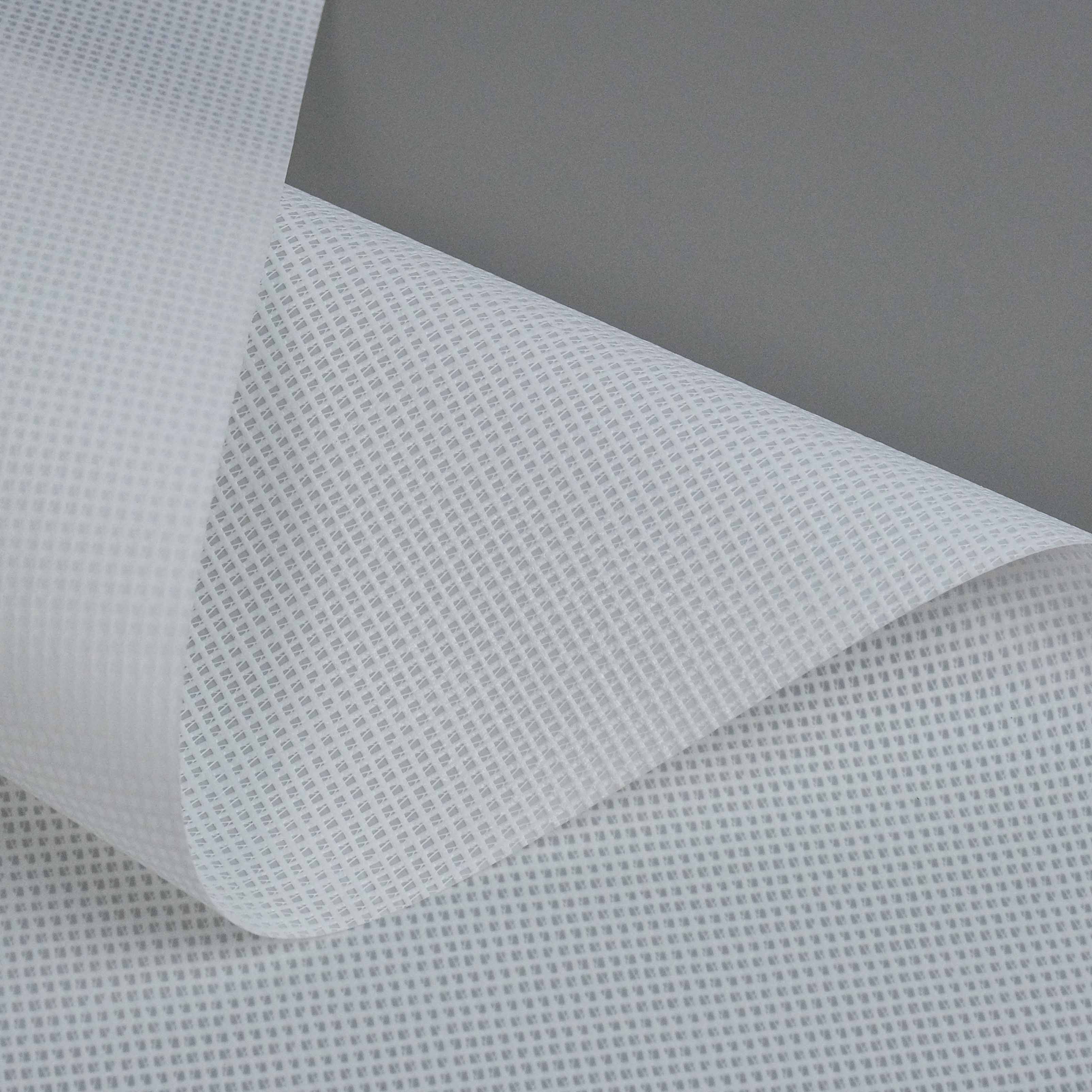
Geotextile Fabric Retaining Wall Solution to Address Environmental Challenges in Urban AreasIn today's rapidly urbanizing world, the need for innovative and sustainable infrastructure solutions has become more pressing than ever. As cities continue to expand and develop, the challenges of maintaining the natural environment while accommodating the growing population are becoming increasingly complex. It is in this context that geotextile fabric retaining walls have emerged as a viable and effective solution for addressing the environmental challenges in urban areas.Geotextile fabric retaining walls, also known as geosynthetic walls, are a type of engineered structure that utilizes geotextile fabric as a key component to provide stability and support for soil and other materials. These walls are designed to prevent soil erosion, manage stormwater runoff, and stabilize slopes, all of which are essential for preserving the natural landscape in urban environments.One company at the forefront of developing innovative geotextile fabric retaining wall solutions is [Company Name]. With a strong commitment to sustainability and environmental stewardship, [Company Name] has been at the forefront of providing cutting-edge geosynthetic solutions for a wide range of applications. The company's extensive experience and expertise in the field have enabled them to develop a range of geotextile fabric retaining wall systems that are not only highly effective but also environmentally friendly.[Company Name] has been actively involved in the research, development, and deployment of geotextile fabric retaining walls in various urban settings, ranging from transportation infrastructure projects to commercial and residential developments. Through their innovative approach and focus on sustainable practices, they have demonstrated the potential of geosynthetic solutions to address the environmental challenges faced by urban areas.One of the key advantages of geotextile fabric retaining walls is their ability to provide a cost-effective and environmentally friendly alternative to traditional retaining wall systems. By utilizing high-quality geotextile fabrics and advanced engineering techniques, these walls can be designed to withstand the demands of urban environments while minimizing their impact on the surrounding ecosystem.Furthermore, geotextile fabric retaining walls offer significant flexibility in design and construction, allowing for the creation of customized solutions that are tailored to the specific needs of each project. This versatility is particularly valuable in urban areas, where space constraints and complex topography often present unique challenges for infrastructure development.In addition to their environmental benefits, geotextile fabric retaining walls can also contribute to the overall sustainability of urban areas by enhancing their resilience to natural hazards such as floods, landslides, and soil erosion. By providing effective stabilization and runoff management, these walls can help mitigate the adverse effects of extreme weather events and contribute to the long-term viability of urban landscapes.As urban populations continue to grow and environmental concerns become increasingly prominent, the demand for sustainable infrastructure solutions will only continue to rise. Geotextile fabric retaining walls represent a compelling option for addressing the environmental challenges in urban areas, offering a combination of performance, cost-effectiveness, and environmental responsibility that makes them well-suited for the needs of modern cities.With their proven track record and commitment to innovation, [Company Name] is well-positioned to contribute to the widespread adoption of geotextile fabric retaining walls as a mainstream solution for urban infrastructure. By leveraging their expertise and resources, the company is poised to play a pivotal role in shaping the future of sustainable urban development and environmental conservation.In conclusion, geotextile fabric retaining walls represent a crucial innovation in the field of urban infrastructure, offering a promising solution for addressing the environmental challenges faced by modern cities. Through the efforts of companies like [Company Name], these walls are poised to make a meaningful impact on the sustainability and resilience of urban areas, paving the way for a more environmentally conscious and resilient future.
Read More